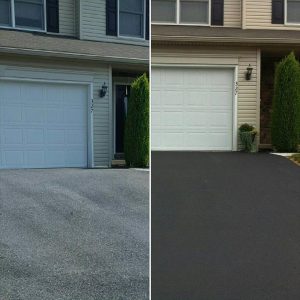
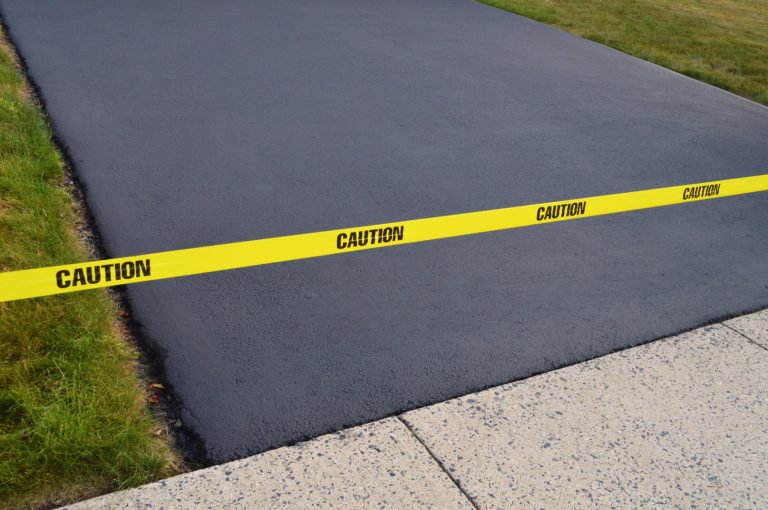
Your new asphalt driveway is a major investment—and how you treat it in the first days and weeks will determine how long it lasts. Fresh asphalt doesn’t harden instantly; it goes through a curing process that can take weeks to fully stabilize.
This guide will walk you through exactly what to do (and what NOT to do) after installation—so you avoid marks, dents, cracks, and premature damage.
Understanding Fresh Asphalt
New asphalt is made of aggregates (stone, sand) bound together with bitumen, a petroleum-based binder. After installation, it begins a curing process where:
- Oils slowly evaporate
- The surface hardens over time
- It becomes more resistant to weight and pressure
👉 Important: Asphalt is never “fully cured” in 24 hours—it continues hardening for 30–90 days.
First 24–72 Hours (Critical Period)
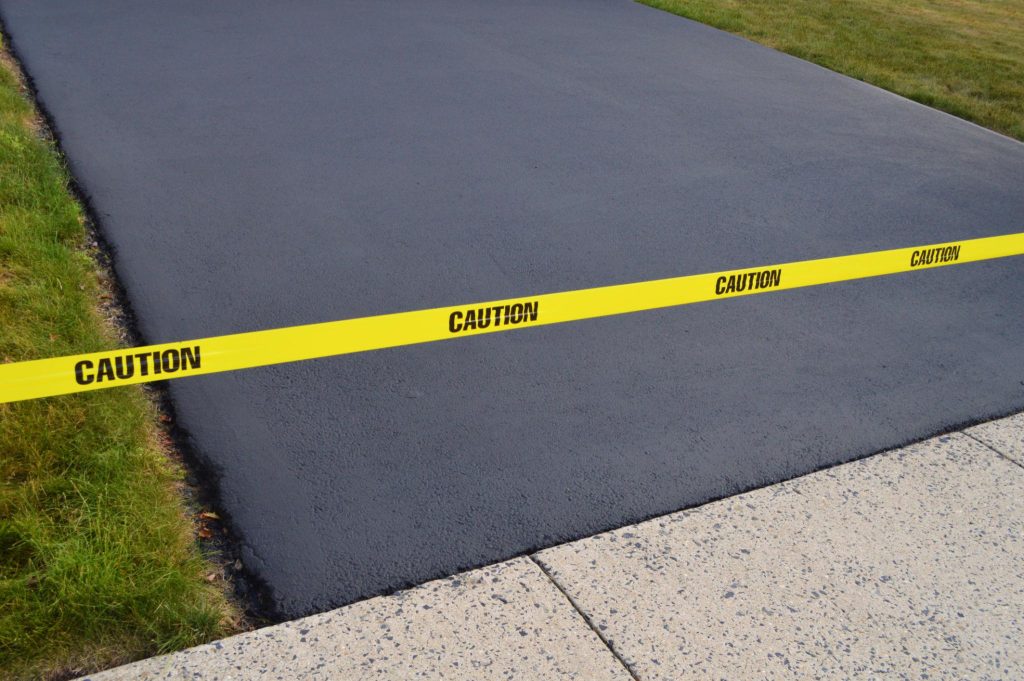
🚫 Stay Off the Driveway
- No driving for at least 3 days (72 hours)
- Light foot traffic is usually okay after 24 hours
Why This Matters
During this phase, the surface is still soft and vulnerable to:
- Tire marks
- Indentations
- Surface shifting
First 30 Days (Most Important Phase)
🚗 Driving Rules
- After 3 days, you can drive on it carefully
- Avoid:
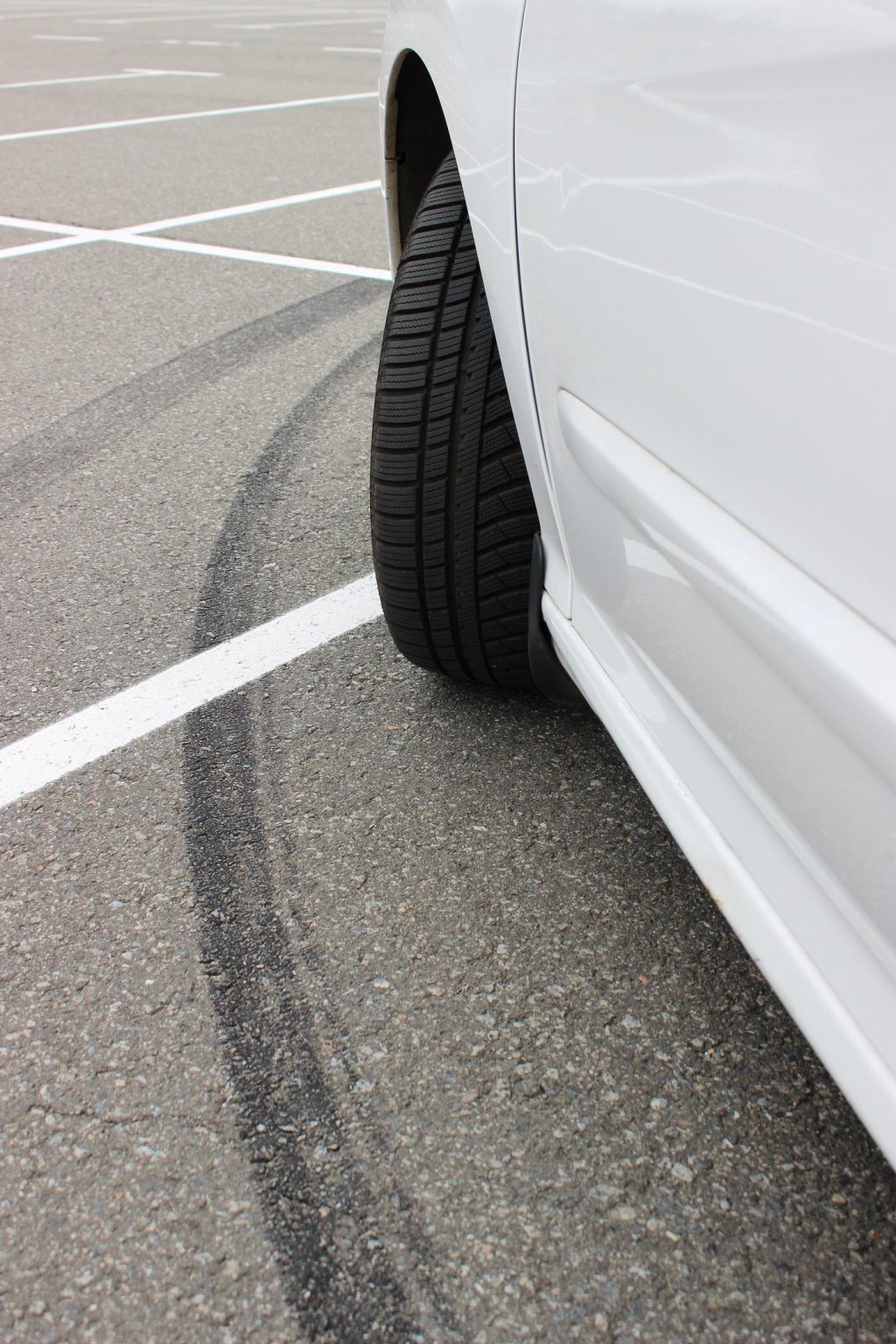
- Turning wheels while stopped (this is critical)
- Sharp turns or sudden braking
🔄 Do NOT Turn Wheels in Place
- Avoid for at least 30 days
- Always:
- Keep the car moving when turning
- Turn the steering wheel only while rolling
👉 This prevents scarring and tearing of the asphalt surface.
Parking Guidelines (Very Important)
☀️ Hot Weather Warning
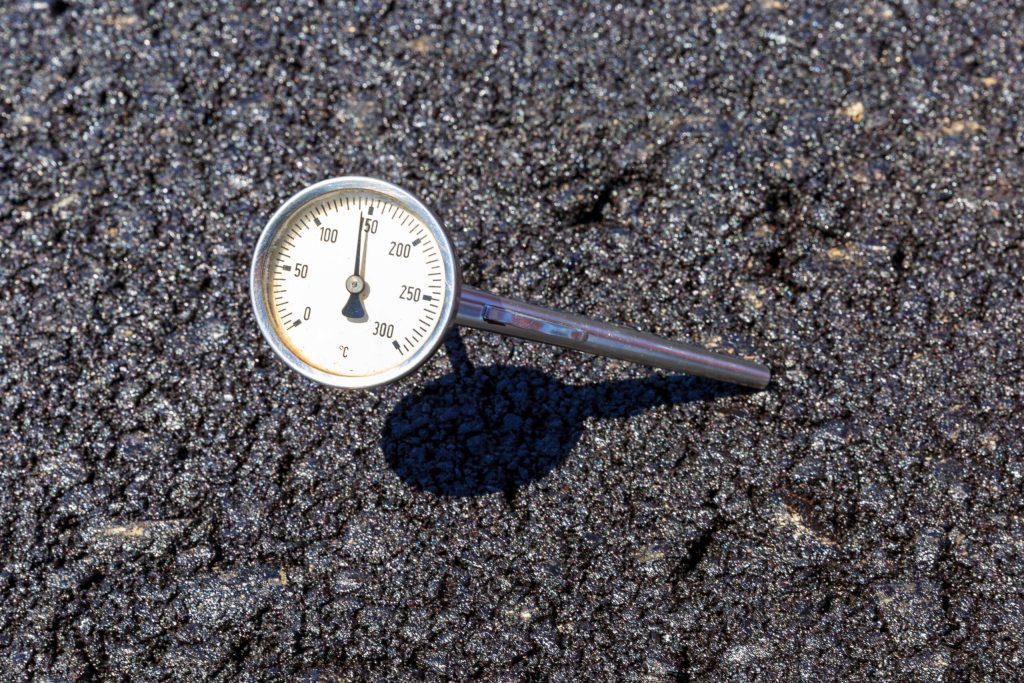
Asphalt softens under heat.
- Avoid parking in the same spot every day
- Rotate parking positions for at least 30 days
What Counts as “Hot”?
- Anything above 85°F (29°C) can soften asphalt
- At 90–100°F+, the surface becomes significantly softer
⚠️ Avoid These During Hot Days:
- Parking heavy vehicles in one spot
- Leaving cars parked for long periods in direct sun
- Using kickstands (motorcycles can sink!)
👉 Tip: Use a small plate under motorcycle kickstands.
First 90 Days (Full Cure Period)
During this time, your driveway is still strengthening.
Avoid Heavy Loads
- No dumpsters
- No delivery trucks
- No construction equipment
Be Careful With:
- Trailers
- RVs
- Moving trucks
Common Mistakes to Avoid
❌ Turning wheels while stopped
❌ Parking in the same exact spot daily
❌ Letting heavy vehicles sit on it too early
❌ Driving too soon
❌ Ignoring hot weather effects
When Can You Do These?
| Activity | Safe Time |
|---|---|
| Walking | 24 hours |
| Driving | 72 hours |
| Normal parking | 3–7 days (with care) |
| Wheel turning normally | 30 days |
| Heavy loads | 60–90 days |
| Sealcoating | 6–12 months |
Extra Protection Tips
✔ Keep It Clean
- Remove debris regularly
- Avoid oil spills (they weaken asphalt)
✔ Watch for Soft Spots
- If you notice marks, avoid that area temporarily
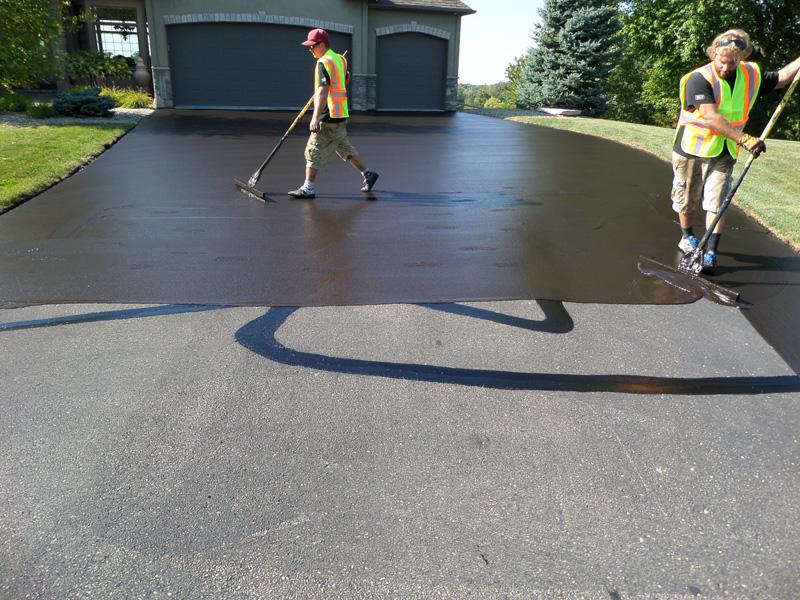
✔ Sealcoating (Future Protection)
- Apply sealcoat after 6–12 months
- Helps protect against:
- UV damage
- Water penetration
- Cracking
Why Proper Care Matters
Taking care of your new driveway:
- Extends lifespan by years
- Prevents early cracking and deformation
- Keeps your driveway looking clean and professional
- Saves you money on repairs
Frequently Asked Questions
👉 Typically 72 hours, depending on weather.
👉 Yes, but avoid staying in one spot too long and rotate positions.
👉 It can tear and twist the soft asphalt surface.
👉 About 30–90 days.
👉 Yes, especially in heat—but they should be avoided as much as possible.
👉 Yes. Heat softens it, making it easier to dent or mark.
👉 After 6 to 12 months.
👉 Most minor marks fade over time, but deep damage may require repair.
Final Thoughts
Your driveway may look finished—but it’s still in a sensitive curing stage. With just a little care in the first few weeks, you’ll protect your investment and keep it looking perfect for years.