For many homeowners across Central Massachusetts, driveway maintenance usually isn’t something people think about until problems start appearing. Small cracks, fading asphalt, or water pooling on the surface are often early signs that your driveway is beginning to deteriorate. That’s when many homeowners start asking the question: is driveway sealcoating worth it?
In areas like Leominster, Acton, and Hudson, asphalt driveways face some of the toughest environmental conditions in New England. Winter freeze-thaw cycles, road salt, heavy snow accumulation, and spring meltwater can all accelerate pavement deterioration.
Sealcoating is one of the most commonly recommended forms of asphalt maintenance, but homeowners often wonder whether it’s truly necessary or just an extra expense.
The reality is that sealcoating can significantly extend the life of an asphalt driveway when done at the right time and combined with proper crack repair. In this guide, we’ll break down how sealcoating works, when it’s worth the investment, and how it protects driveways from Massachusetts weather conditions.
Understanding What Driveway Sealcoating Actually Does
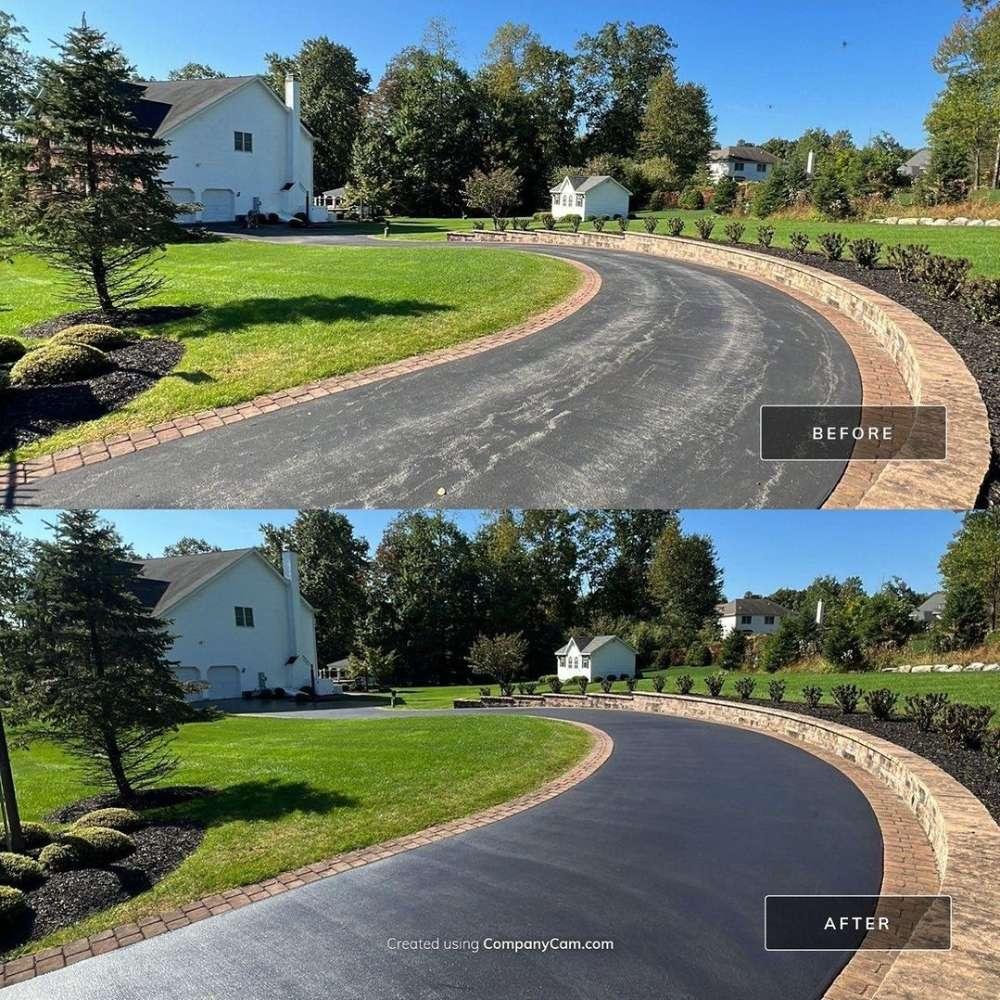
Sealcoating is a protective liquid layer applied over asphalt pavement. It acts as a barrier between the driveway surface and damaging environmental elements.
Unlike paving or resurfacing, sealcoating does not add structural strength to asphalt. Instead, its main job is to protect the existing pavement from deterioration.
Professional sealcoating helps protect against:
- UV oxidation that dries out asphalt
- Water infiltration that causes cracks
- Salt damage from winter road treatments
- Oil and chemical stains
- Surface erosion from traffic
Over time, untreated asphalt becomes brittle and loses the oils that keep it flexible. Once that happens, cracks begin to form, allowing water to seep into the pavement base.
In Massachusetts climates, this process accelerates quickly because water freezes inside the cracks during winter. As the ice expands, it widens the cracks and weakens the driveway structure.
Sealcoating slows this process dramatically.
Why Massachusetts Driveways Deteriorate Faster
Freeze–Thaw Cycles
One of the biggest threats to asphalt driveways in Massachusetts is the constant cycle of freezing and thawing.
Water enters small cracks during warmer daytime temperatures. When nighttime temperatures drop, that water freezes and expands, forcing cracks wider.
This process repeats dozens of times each winter and spring.
Eventually it leads to:
- spreading cracks
- pothole formation
- crumbling edges
- base layer damage
Road Salt and De-Icing Chemicals
During winter storms, road salt and de-icing chemicals are commonly used in towns like Leominster and Hudson.
While these products improve road safety, they also accelerate asphalt deterioration by:
- breaking down the binder in asphalt
- allowing water to penetrate deeper into pavement
- weakening the surface structure
Sealcoating acts as a protective barrier against these chemicals.
UV Oxidation
Even in colder climates, ultraviolet sunlight slowly dries out asphalt.
Asphalt contains natural oils that give it flexibility. Over time, sunlight causes these oils to evaporate.
When asphalt loses flexibility, it becomes brittle and begins cracking.
Sealcoating helps restore a protective layer that slows oxidation.
Signs Your Driveway Needs Sealcoating
Many homeowners wait too long before maintaining their driveway. By the time major cracks appear, the asphalt may already be significantly damaged.
Here are some early warning signs to watch for.
Visual Signs
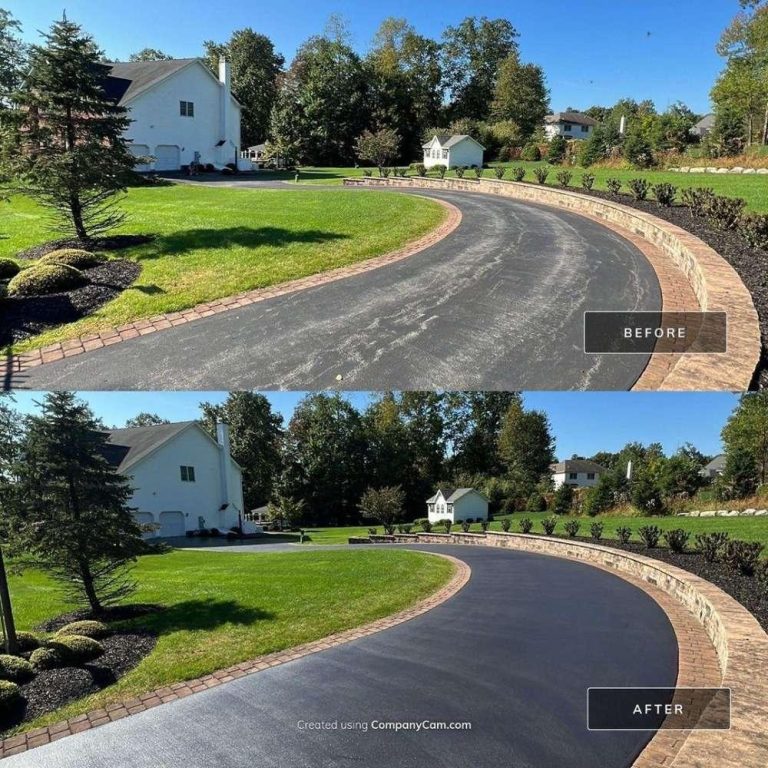
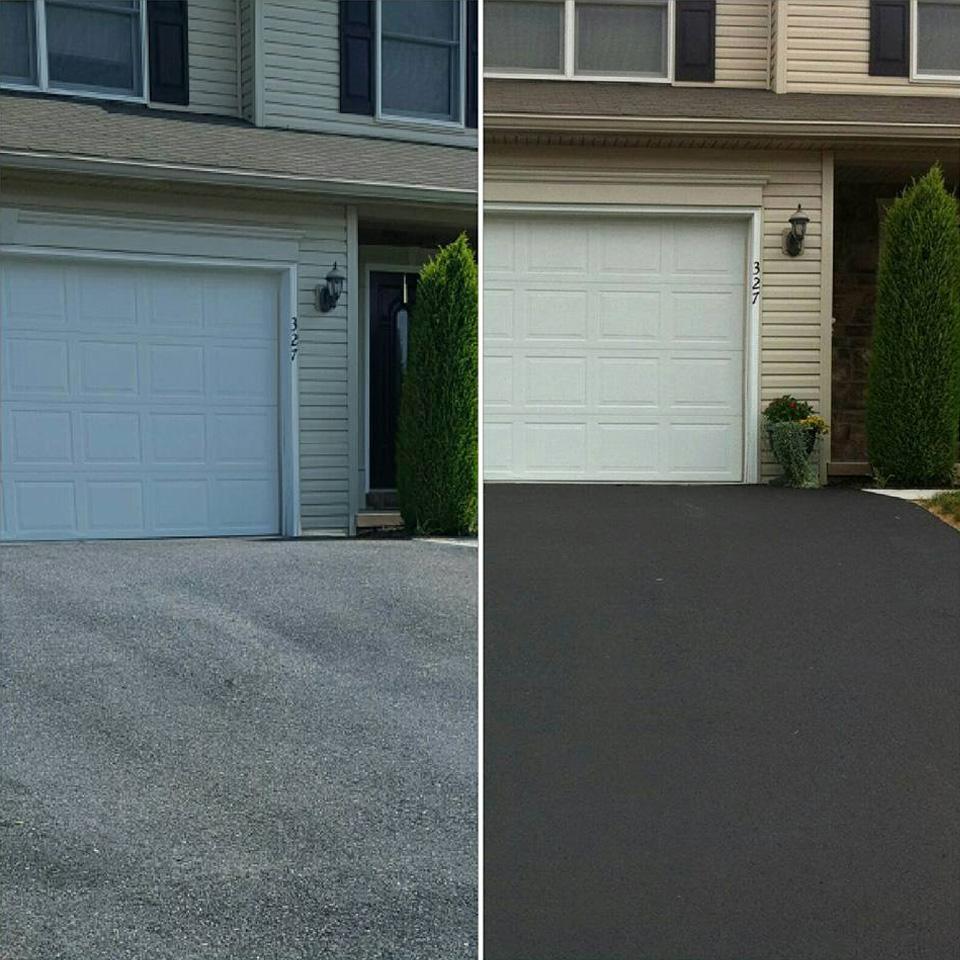
- Faded gray asphalt instead of deep black color
- Small surface cracks beginning to form
- Rough or dry texture
- Water soaking into the pavement instead of beading
- Slight surface erosion
Structural Warning Signs
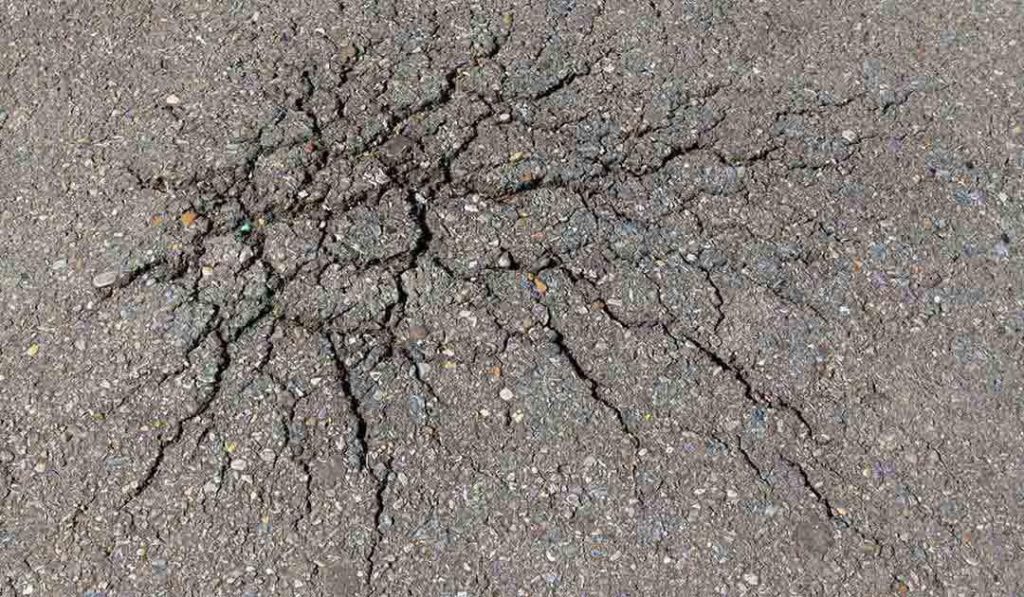
- Spiderweb cracking patterns
- expanding crack lines
- loose asphalt particles
- edges beginning to crumble
If cracks are already present, they should be repaired before sealcoating. Professional asphalt crack repair and sealing ensures water cannot penetrate beneath the surface.
In some cases, larger damaged sections may require asphalt patching or localized repair before sealcoating can be applied effectively.
What Happens If You Don’t Sealcoat
Homeowners sometimes assume sealcoating is optional cosmetic maintenance. In reality, skipping sealcoating can shorten the lifespan of your driveway significantly.
Without protection, asphalt becomes vulnerable to:
- water penetration
- surface oxidation
- cracking from freeze-thaw cycles
- pothole development
- structural failure
Once water reaches the base layer beneath the asphalt, repairs become much more expensive.
At that point, homeowners may require:
- asphalt patching
- resurfacing
- or full driveway replacement
Preventive maintenance like sealcoating helps avoid those costly scenarios.
How Sealcoating Protects Your Driveway
Sealcoating provides several layers of protection that directly extend pavement lifespan.
Water Resistance
A properly sealed driveway repels water, preventing moisture from penetrating small surface cracks.
UV Protection
Sealcoat materials block sunlight from drying out asphalt binders.
Chemical Protection
Sealcoating resists oil, gasoline, and salt damage.
Surface Flexibility
By preserving asphalt oils and preventing oxidation, sealcoating helps the driveway remain flexible rather than brittle.
This flexibility is crucial in Massachusetts climates where pavement constantly expands and contracts due to temperature swings.
How Often Should Driveways Be Sealcoated in Massachusetts?
Most asphalt professionals recommend sealcoating every:
2 to 3 years
However, several factors can influence this timeline:
- driveway age
- traffic levels
- sun exposure
- existing pavement condition
- winter damage
Newly paved asphalt typically should not be sealcoated immediately. Fresh asphalt usually needs 6–12 months to fully cure before sealcoat is applied.
If cracks begin appearing sooner, those areas should be repaired first.
Professional contractors often combine sealcoating with crack sealing services to ensure maximum protection.
DIY vs Professional Sealcoating
Many homeowners consider applying sealcoat themselves using hardware store products. While DIY kits are available, they often provide only temporary results.
| DIY Sealcoating | Professional Sealcoating |
|---|---|
| Thin materials | Commercial-grade sealers |
| Short lifespan | Long-term protection |
| Uneven coverage | Proper application equipment |
| No crack repair | Crack sealing included |
Professional contractors typically prepare the surface properly before sealing. This includes cleaning debris, repairing cracks, and applying sealcoat evenly.
For homeowners in towns like Leominster and Acton, hiring a professional ensures the sealcoating is applied at the correct thickness and curing conditions.
Services like professional seal coating services from local contractors help maximize the lifespan of the treatment.
Cost Considerations
Sealcoating is one of the most affordable forms of driveway maintenance.
Several factors affect the total cost:
Driveway Size
Larger driveways require more material and labor.
Existing Damage
If the driveway has cracks, potholes, or deteriorated areas, repairs may be required before sealcoating.
Surface Preparation
Cleaning, crack filling, and patching all influence the final cost.
Accessibility
Driveways with steep slopes or difficult access may require additional preparation.
Compared to the cost of resurfacing or replacing an asphalt driveway, sealcoating is a small investment that can prevent major expenses later.
Preventing Driveway Damage
Sealcoating works best as part of a broader maintenance strategy.
Homeowners can extend driveway lifespan by following several simple practices.
Maintenance Tips
- Sealcoat every 2–3 years
- Repair cracks early
- Remove snow carefully to avoid surface damage
- Avoid heavy vehicles on residential driveways
- Ensure proper drainage around pavement
Regular maintenance helps asphalt driveways last 20–30 years or longer.
Combining sealcoating with driveway repair services when needed can significantly delay the need for full replacement.
Is Driveway Sealcoating Worth It?
For most homeowners in Massachusetts, the answer is yes.
Because of the region’s harsh winters, asphalt driveways deteriorate faster than in milder climates. Sealcoating helps protect against the exact conditions that cause pavement failure.
When combined with proper crack repair and occasional patching, sealcoating can:
- extend driveway lifespan
- prevent costly repairs
- improve curb appeal
- protect against winter damage
Homeowners across Leominster, Hudson, and Acton often find that routine sealcoating every few years is far more affordable than replacing a driveway prematurely.
Companies like Mr Patch Asphalt frequently recommend sealcoating as part of long-term asphalt maintenance, especially for driveways already showing early signs of wear.
FAQ
Sealcoating is not structurally required, but it protects asphalt from water, UV damage, and salt exposure. In climates like Massachusetts, it significantly slows pavement deterioration.
Most professional sealcoating applications last 2–3 years, depending on traffic, weather exposure, and driveway condition.
Yes. Cracks should always be sealed or repaired first. Sealcoating alone cannot stop water from entering existing cracks.
No. Sealcoating protects the surface but does not repair structural damage. Crack filling or asphalt patching may be required before sealing.
Late spring through early fall is ideal because temperatures need to stay above 50°F for proper curing.
Sealcoating restores the deep black color of asphalt and greatly improves curb appeal, but it cannot repair major damage.
Most sealcoated driveways need 24–48 hours to fully cure before vehicles can return.
Yes. Sealcoating costs only a small fraction of the price of resurfacing or replacing a driveway.