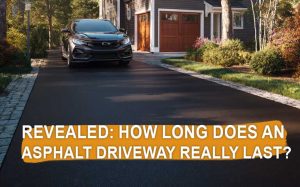
For many Massachusetts homeowners, an asphalt driveway is a major investment. Naturally, one of the most common questions people ask is: how long does sealcoating last?
Sealcoating protects asphalt from water damage, UV oxidation, oil stains, and the harsh freeze-thaw cycles common across North and Central Massachusetts. Without this protective layer, driveways can deteriorate quickly, leading to cracking, potholes, and costly repairs.
In cities like Lowell, Worcester, Fitchburg, Leominster, and Lawrence, homeowners deal with some of the toughest pavement conditions in New England. Snow, road salt, spring thaw, and heavy rain all accelerate asphalt aging.
The good news is that when applied properly, sealcoating can significantly extend the life of your driveway.
In this guide, we’ll explain:
- How long sealcoating typically lasts
- What affects its durability in Massachusetts
- Signs your driveway needs resealing
- How homeowners can extend their pavement lifespan
Understanding Sealcoating and What It Does
Sealcoating is a protective liquid layer applied over asphalt pavement. Once cured, it forms a barrier that shields the driveway from environmental damage.
Think of it like sunscreen for asphalt.
Without sealcoating, asphalt binders begin to oxidize. This causes the pavement to dry out, become brittle, and eventually crack.
Sealcoating helps prevent:
- Asphalt oxidation from sunlight
- Water infiltration into pavement
- Damage from winter salt
- Oil and gasoline stains
- Surface wear from vehicles
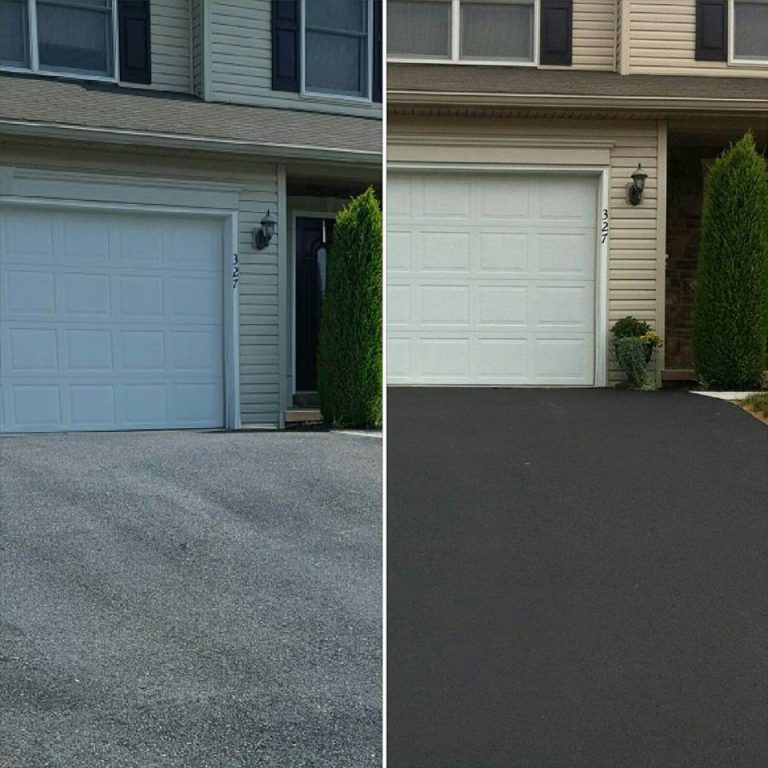
Professional seal coating services can restore the dark black appearance of asphalt while providing essential protection.
How Long Sealcoating Typically Lasts
On average, sealcoating lasts 2 to 3 years in Massachusetts.
However, the lifespan depends heavily on environmental conditions, traffic levels, and how well the driveway was prepared before application.
Typical Lifespan by Conditions
| Condition | Expected Lifespan |
|---|---|
| Light residential driveway | 3 years |
| Moderate traffic driveway | 2–3 years |
| High traffic or steep driveways | 1–2 years |
| Poor drainage areas | 1–2 years |
In North and Central Massachusetts, most homeowners should plan to reseal every 2–3 years due to the region’s harsh winters.
Why Sealcoating Wears Down Faster in Massachusetts
Massachusetts has one of the most aggressive climates for asphalt deterioration in the United States.
Several local factors shorten sealcoat lifespan.
Freeze-Thaw Cycles
During winter, temperatures frequently fluctuate above and below freezing.
Water seeps into microscopic asphalt pores, freezes, expands, and weakens the pavement structure. This process slowly breaks down the sealcoat layer.
Road Salt and De-icing Chemicals
Cities like Worcester, Lowell, and Fitchburg rely heavily on salt during winter storms.
Salt accelerates asphalt oxidation and can gradually wear down sealcoat protection.
UV Oxidation
Even in colder climates, ultraviolet sunlight breaks down asphalt binders over time. This causes driveways to turn from black to gray.
Sealcoating slows this oxidation process.
Heavy Snow Removal
Plow blades and snow shovels can gradually scrape sealcoat surfaces, especially during rough winters.
Signs Your Driveway Needs Resealing
Many homeowners wait too long before resealing their driveway.
Watch for these warning signs.
Visual Signs
- Asphalt turning gray instead of black
- Surface looks dry or faded
- Small hairline cracks forming
- Water soaking into the pavement instead of beading
- Aggregate (small stones) becoming visible
Structural Warning Signs
- Spiderweb cracking
- Edge deterioration
- Minor potholes forming
If cracks are already present, homeowners may need professional driveway repair before applying sealcoat.
How Sealcoating Is Applied
Professional sealcoating involves more than simply spreading liquid on the driveway.
Proper preparation is critical to achieving a 2–3 year lifespan.
Step 1 — Cleaning the Surface
The driveway is power cleaned to remove:
- dirt
- debris
- oil stains
- loose aggregate
Any contamination prevents sealcoat from bonding properly.
Step 2 — Crack Filling
Existing cracks must be sealed first.
This prevents water infiltration beneath the new sealcoat layer.
Step 3 — Asphalt Patching (If Needed)
If the driveway has potholes or damaged sections, contractors may perform asphalt patch repair before sealcoating.
Step 4 — Sealcoat Application
Sealcoat is applied using:
- professional spray systems
- squeegee application
Two thin coats are typically applied for durability.
Step 5 — Curing
Sealcoat usually cures within 24–48 hours, depending on weather conditions.
DIY vs Professional Sealcoating
Many homeowners consider sealing their driveway themselves using hardware store products.
While DIY kits are available, they often provide much shorter protection.
| DIY Sealcoating | Professional Sealcoating |
|---|---|
| Thin water-based coatings | Commercial-grade materials |
| Often lasts 6–12 months | Typically lasts 2–3 years |
| Minimal surface prep | Proper crack repair and cleaning |
| Lower upfront cost | Longer-term protection |
Professional contractors use industrial sealers designed for New England climates, making them far more durable.
Cost Considerations for Sealcoating
Sealcoating is one of the most affordable asphalt maintenance services homeowners can invest in.
Several factors affect the cost.
Driveway Size
Larger driveways require more material and labor.
Surface Condition
Driveways with cracks or potholes require additional repair before sealing.
Accessibility
Steep or narrow driveways can increase labor difficulty.
Quality of Materials
Commercial-grade sealers provide better durability than retail products.
While prices vary, sealcoating is far less expensive than driveway replacement and can extend pavement life by many years.
How Homeowners Can Extend Sealcoating Lifespan
With proper maintenance, sealcoating can last closer to the 3-year range.
Here are practical tips homeowners should follow.
Keep the Driveway Clean
Remove dirt, leaves, and debris regularly to prevent surface deterioration.
Fix Cracks Early
Small cracks allow water to penetrate beneath the sealcoat layer.
Early repairs prevent major damage.
Avoid Heavy Vehicles
Parking large trucks, dumpsters, or construction equipment can damage asphalt.
Maintain Proper Drainage
Water pooling is one of the biggest threats to pavement.
Ensure gutters and downspouts direct water away from the driveway.
Reseal Every 2–3 Years
Regular resealing maintains protection and keeps the asphalt flexible.
FAQ: Sealcoating in Massachusetts
Most residential driveways in Massachusetts see 2–3 years of protection from professional sealcoating.
New asphalt should typically cure for 6–12 months before the first sealcoat application.
Late spring through early fall is ideal when temperatures stay above 50°F and rain is minimal.
No. Cracks must be repaired first with crack filler or asphalt patching before sealcoating is applied.
Sealcoating helps prevent potholes by protecting asphalt from water infiltration and oxidation.
Yes. Sealcoating is one of the most cost-effective ways to extend driveway lifespan and prevent expensive repairs.
Most sealcoating projects require 24–48 hours of curing time before vehicles should return.
No. Sealcoating should not be applied when temperatures fall below 50°F, as it will not cure properly.
For homeowners in North and Central Massachusetts, sealcoating is essential for protecting asphalt from harsh winters, snowmelt, and seasonal temperature swings.
In most cases, sealcoating lasts between 2 and 3 years, depending on traffic, weather exposure, and driveway condition.
Regular maintenance, early crack repair, and professional application can significantly extend the lifespan of your asphalt driveway.
If your driveway is beginning to fade, crack, or absorb water, it may be time to reseal it before larger repairs become necessary.
Taking action early can prevent small pavement issues from turning into expensive driveway replacements.